-
 +86 13616113658
-
 [email protected]
 English
 Español
 русский
 عربى
عربى
Home / Media / Industry News / Choosing the Right Cleanroom Doors: Materials, Installation, and Maintenance Guide
Choosing the Right Cleanroom Doors: Materials, Installation, and Maintenance Guide
Content
Understanding Cleanroom Doors and Their Importance
Cleanroom doors are critical components in controlled environments where contamination must be minimized. These doors are used in industries such as pharmaceuticals, biotechnology, semiconductor manufacturing, and healthcare facilities. Proper cleanroom door selection ensures that the controlled environment remains compliant with ISO standards and maintains air quality, temperature, and pressure stability.
The right cleanroom door can prevent cross-contamination between different cleanroom zones. They also contribute to operational efficiency by providing safe, smooth, and reliable access for personnel and equipment.
Types of Cleanroom Doors
Selecting the appropriate door type depends on the cleanroom classification, traffic frequency, and environmental control requirements. The most common types of cleanroom doors include:
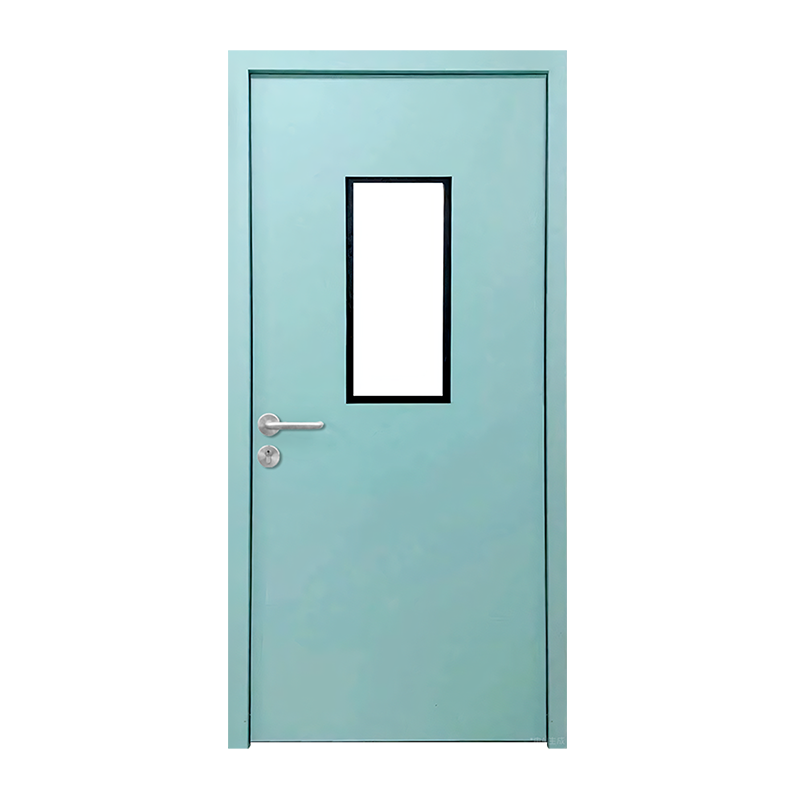
- Manual Swing Doors: Cost-effective and easy to install, suitable for low-traffic areas.
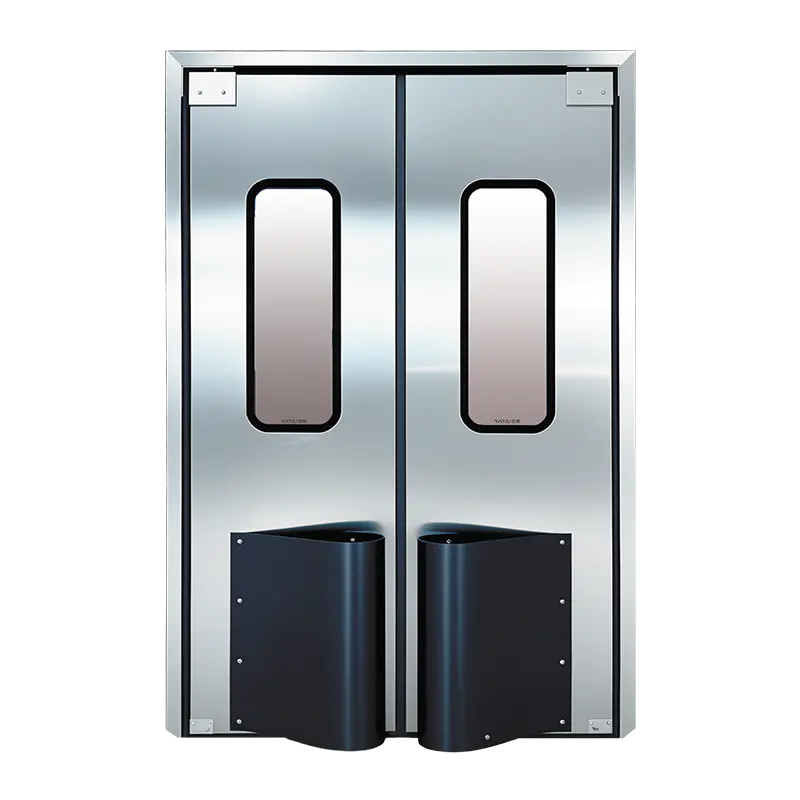
- Automatic Sliding Doors: Reduce contamination risk by limiting hand contact; ideal for high-traffic areas.
- Pass-Through Doors: Used to transfer materials between cleanroom zones without allowing air exchange.
- Hermetic Sealed Doors: Provide maximum contamination control and are used in critical ISO Class 5 or better areas.
Materials and Construction
Cleanroom doors must be constructed from materials that resist corrosion, are easy to clean, and do not shed particles. Common materials include:
- Stainless Steel: Durable, corrosion-resistant, and suitable for high-cleanliness environments.
- Powder-Coated Steel: Affordable and easy to maintain but less resistant to abrasion.
- Aluminum: Lightweight and easy to install; ideal for medium-duty applications.
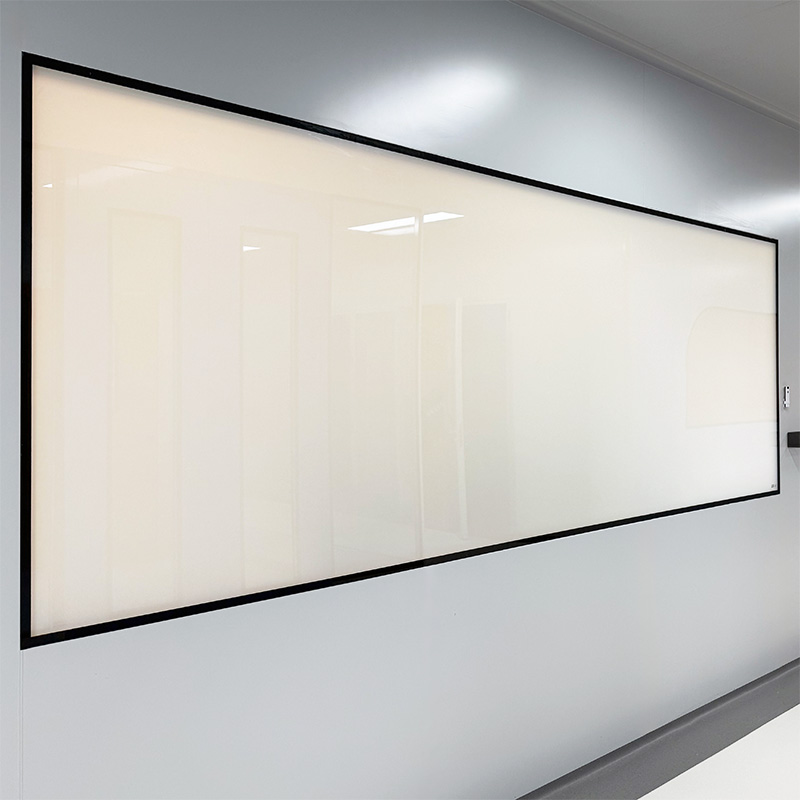
- Tempered Glass Panels: Allow visibility while maintaining air containment in certain door types.
The frame, seals, and hardware also play a critical role. Seals should be continuous and airtight, and hinges or sliding mechanisms must allow smooth operation without generating particles.
Cleanroom Door Installation Best Practices
Proper installation is essential to ensure doors maintain the required cleanroom standards. Common best practices include:
- Leveling: Doors must be perfectly aligned to avoid gaps that allow contamination.
- Sealing: Use high-quality gaskets and seals to maintain air pressure differentials.
- Access Control Integration: Install automatic door operators, interlocks, or pass-through mechanisms to control traffic flow.
- Compliance Verification: Test doors after installation for airtightness, noise, and smooth operation.
Maintenance and Cleaning of Cleanroom Doors
Regular maintenance ensures that cleanroom doors continue to function efficiently and prevent contamination. Maintenance protocols should include:
- Daily Surface Cleaning: Wipe doors with approved disinfectants to remove particles and microbial contaminants.
- Weekly Hardware Inspection: Check hinges, sliding tracks, and seals for wear and tear.
- Lubrication: Apply non-shedding lubricants to moving parts without introducing contaminants.
- Performance Testing: Periodically test automatic doors for sensor accuracy and smooth operation.
A well-maintained cleanroom door minimizes downtime, ensures compliance with ISO standards, and protects sensitive materials or processes inside the cleanroom.
Comparing Cleanroom Door Features
When selecting cleanroom doors, it’s helpful to compare key features in a structured way. The table below highlights important characteristics:
| Door Type | Ideal Application | Material Options | Maintenance Requirement |
| Manual Swing | Low traffic areas | Steel, Aluminum | Low |
| Automatic Sliding | High traffic areas | Stainless Steel, Powder-coated Steel | Medium |
| Pass-Through | Material transfer | Stainless Steel | Medium |
| Hermetic Sealed | Critical cleanroom zones | Stainless Steel | High |
Conclusion: Ensuring Optimal Cleanroom Door Performance
Selecting, installing, and maintaining cleanroom doors requires careful attention to materials, environmental control, and operational needs. By understanding the types of doors available, their construction materials, installation best practices, and maintenance requirements, facility managers can ensure optimal performance and regulatory compliance. Investing in high-quality doors and proper maintenance protocols is essential for protecting sensitive processes and maintaining a safe, contamination-free environment.
Previous Post
Essential Guide to Radiation Shielding Doors: Selection, Installation, and Maintenance
Next Post
How Airtight Doors Improve Energy Efficiency and Indoor Air Quality in Homes and Buildings

Jiangyin Yatai Purification Equipment Technology Co., Ltd. is a modern and specialized manufacturer of clean doors and windows. Cleanroom Project Factory, offer Custom Clean Doors and Windows.
QUICK LINKS
PRODUCTS
GET IN TOUCHs
-
 +86 13616113658
-
 +86(0)510-86661588 / 86668687
-
 [email protected]
-
 +86(0)510-86661588
-
 No.2, Huagang West Road, Shizhuang, Jiangyin, Jiangsu province
© Jiangyin Yatai Purification Equipment Technology Co., Ltd.
All Rights Reserved.
 Cleanroom Door Manufacturers