-
 +86 13616113658
-
 [email protected]
 English
 Español
 русский
 عربى
عربى
Home / Media / Industry News / Practical Guide to Cleanroom Windows: Design, Installation, and Maintenance
Practical Guide to Cleanroom Windows: Design, Installation, and Maintenance
Content
Understanding Cleanroom Windows
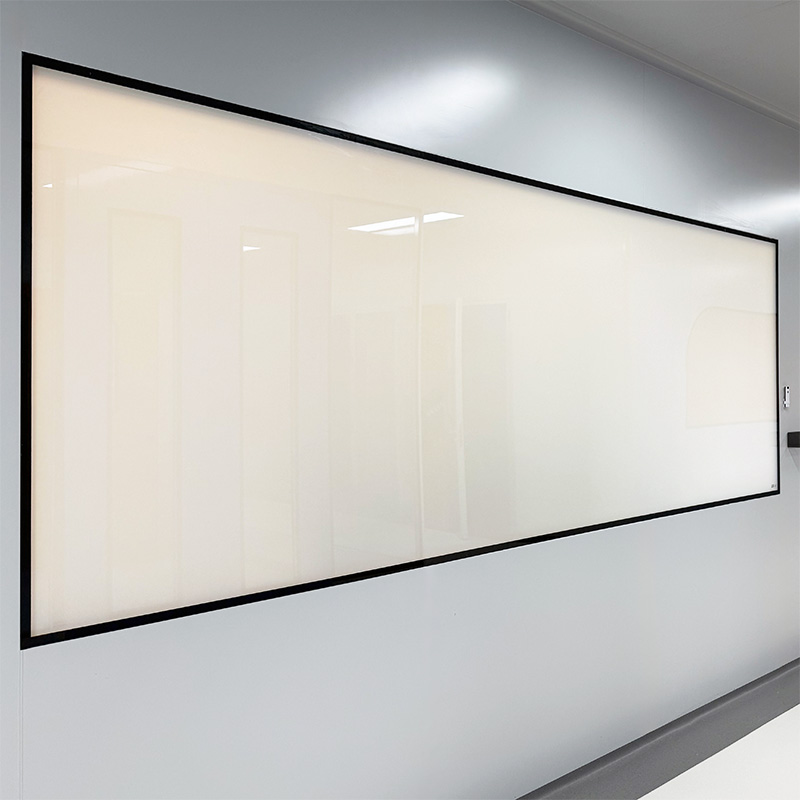
Cleanroom windows are a critical component in controlled environments, designed to provide visibility while maintaining strict contamination control. Unlike standard windows, they are engineered to resist particle accumulation, facilitate easy cleaning, and integrate seamlessly with the cleanroom’s wall system.
Selecting the right window involves considering materials, sealing methods, and clarity requirements. Windows are commonly made from tempered glass or laminated glass with anti-reflective coatings. Polycarbonate alternatives are used where impact resistance is necessary.
Materials and Construction
Cleanroom windows must balance visibility, durability, and ease of sterilization. The frame material is as important as the glazing. Common options include:
- Aluminum frames with powder-coated finishes for corrosion resistance.
- Stainless steel frames in high-sterility environments.
- Seamless acrylic or polycarbonate panels for impact-prone areas.
Double or triple glazing may be incorporated for thermal insulation without compromising air-tight sealing. Proper gaskets, often silicone-based, prevent particle infiltration while allowing slight thermal expansion.
Design Considerations for Contamination Control
When designing a cleanroom window, several factors influence the overall contamination control:
- Flush installation to minimize particle traps.
- Rounded corners and smooth surfaces for easier cleaning.
- Integration with cleanroom walls using sealed frames to maintain airflow integrity.
Visual inspection requirements may dictate window placement and size. For example, observation windows in laboratories should allow staff to monitor processes without entering the controlled space, reducing contamination risk.
Installation Best Practices
Proper installation is crucial to maintain a cleanroom’s integrity. Key practices include:
- Ensuring the window frame is perfectly aligned with the wall paneling.
- Applying continuous bead silicone or specialized gasket materials to prevent leaks.
- Verifying that window glazing meets pressure differential requirements, if applicable.
It is recommended that installation be performed by professionals familiar with ISO-classified environments to prevent costly contamination risks.
Maintenance and Cleaning Protocols
Maintaining cleanroom windows involves regular cleaning and inspections. Proper procedures include:
- Using lint-free wipes and approved cleaning agents to avoid scratches or residue.
- Cleaning in a sequence from top to bottom to prevent particle redistribution.
- Inspecting seals and gaskets for wear or contamination build-up periodically.
Maintenance logs are often kept to comply with regulatory standards, ensuring traceability and accountability in high-sterility environments.
Comparing Window Types for Cleanrooms
Choosing the right window type depends on the application, visibility needs, and contamination level. The following table summarizes common options:
| Window Type | Material | Best Use | Advantages |
| Tempered Glass | Glass | Standard cleanrooms | Durable, scratch-resistant, clear visibility |
| Polycarbonate | Polycarbonate | Impact-prone areas | High impact resistance, lightweight |
| Laminated Glass | Glass layers with interlayer | High-security or thermal control areas | Enhanced safety, sound and UV control |
Common Challenges and Solutions
Despite careful design and installation, cleanroom windows may encounter specific challenges. Typical issues include:
- Condensation forming between double glazing: solved by using hermetically sealed windows with desiccants.
- Seal degradation over time: routine inspection and gasket replacement prevent contamination ingress.
- Scratches on polycarbonate surfaces: mitigate by using protective films or approved cleaning agents.
Understanding these issues and proactively maintaining windows ensures the cleanroom remains compliant and operational.
Conclusion
Cleanroom windows are more than simple observation tools—they are integral to maintaining the sterile environment. Proper selection, installation, and maintenance ensure contamination control, durability, and visibility. By adhering to best practices, facilities can enhance operational efficiency while protecting sensitive processes.
Previous Post
How Airtight Doors Improve Energy Efficiency and Indoor Air Quality in Homes and Buildings
Next Post
Cleanroom Fire-resistant Doors: Essential Guide for Safety and Efficiency

Jiangyin Yatai Purification Equipment Technology Co., Ltd. is a modern and specialized manufacturer of clean doors and windows. Cleanroom Project Factory, offer Custom Clean Doors and Windows.
QUICK LINKS
PRODUCTS
GET IN TOUCHs
-
 +86 13616113658
-
 +86(0)510-86661588 / 86668687
-
 [email protected]
-
 +86(0)510-86661588
-
 No.2, Huagang West Road, Shizhuang, Jiangyin, Jiangsu province
© Jiangyin Yatai Purification Equipment Technology Co., Ltd.
All Rights Reserved.
 Cleanroom Door Manufacturers