English
 Español
 русский
 عربى
عربى
Core Control Systems and Components
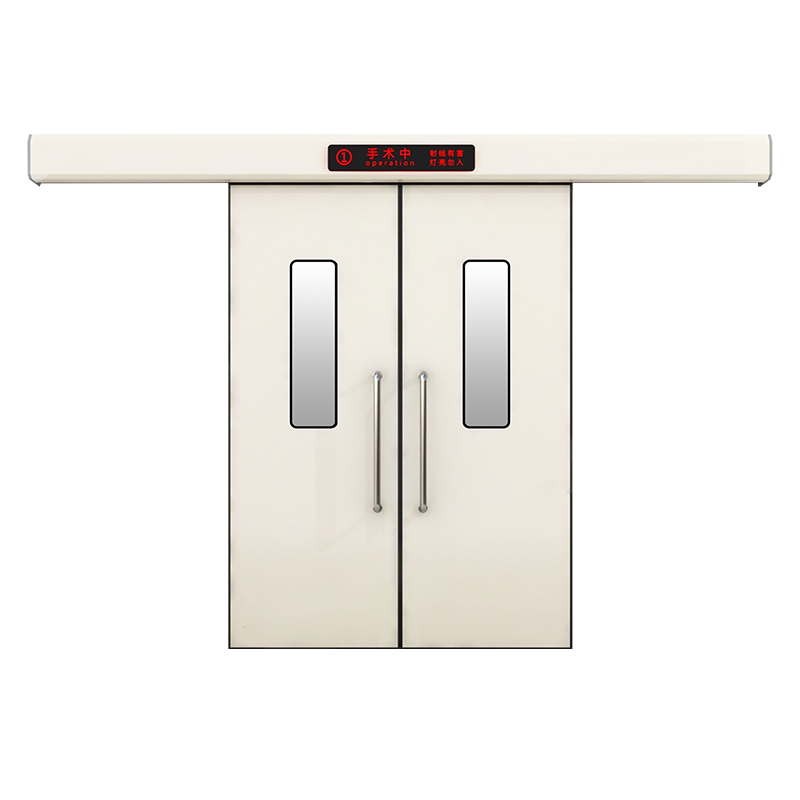
The precise control of an Airtight Automatic Sliding Door's speed is managed by its integrated automation system, primarily the door controller or operator. This specialized microprocessor receives inputs from sensors and user interfaces, then executes programmed motor commands. The drive motor, often a brushless DC type for smooth operation, is directly responsible for the door leaf's movement. Its power output is modulated by the controller to achieve varying speeds. The system is finely calibrated to manage the significant mass of the airtight door, which includes heavy-duty glass and a robust frame with sealing mechanisms, ensuring movement remains smooth and controlled despite the weight.
Primary Methods for Speed Adjustment
Adjusting the operational speed is not a single setting but a series of parameters programmed into the door's controller. These adjustments are typically made by a certified technician using a dedicated programming tool, software interface, or keypad on the controller itself. The two fundamental phases of movement each have independent speed controls.
Adjusting Opening Speed Parameters
The initial acceleration from a closed position is governed by a "starting speed" or "jerk" setting to prevent a jarring start. The door then reaches its "maximum travel speed," which is the primary cruising speed for the majority of the opening distance. As the door approaches its fully open position, a "deceleration" or "cushioning" parameter is engaged, slowing the door to a gentle stop, which is critical for preserving the mechanical components and the airtight seal's integrity.
Adjusting Closing Speed Parameters
Similar to opening, closing begins with a gentle acceleration. The "main closing speed" is often set slightly slower than the opening speed for safety. The most critical closing phase is the final sealing movement. A specific "latching speed" or "sealing speed" is programmed for the last few centimeters, ensuring the door leaf moves slowly and firmly into the compression gaskets, creating the airtight seal without excessive force that could damage the seals or frame.
Advanced Programming Features for Movement
Modern controllers offer sophisticated features for nuanced control. "Timed hold-open" allows the door to remain fully open for a preset duration before initiating a close cycle, which is essential for moving equipment. "Soft start/stop" algorithms are dedicated functions to minimize initial jerk and final impact. "Traffic mode" or "learning mode" can automatically adjust cycle times based on detected usage patterns, optimizing flow during peak periods while saving energy when traffic is low. These features are often accessible through a hierarchical menu in the control unit.
Safety and Compliance Considerations
All speed adjustments are bounded by stringent safety standards. The closing speed and force must comply with regulations to ensure safe passage and prevent injury. Safety sensors, such as photoelectric beams or pressure-sensitive edges, will override any programmed speed by commanding an immediate stop or reversal upon detecting an obstacle. The programmed latching speed must be sufficient to achieve the required air leakage rating without creating a pinch point. A balance must always be struck between operational efficiency, energy performance, and user safety.
Maintenance Impact on Speed Performance
Consistent speed and smooth operation are dependent on regular mechanical maintenance. Issues that can degrade speed control include:
- Worn or Dirty Drive Belts/Tracks: Slippage or binding on the running track can cause erratic movement.
- Failing Motor or Drive Components: Loss of torque can prevent the door from maintaining programmed speeds.
- Damaged or Degraded Seals: Excessive friction from swollen or misaligned gaskets can slow the door down.
- Low Voltage or Electrical Faults: The controller may behave unpredictably with an unstable power supply.
A routine maintenance schedule that includes cleaning tracks, inspecting seals, checking belt tension, and verifying sensor alignment is crucial for maintaining the programmed speed profiles.
Typical Speed Adjustment Interface Example
While models vary, speed parameters are often found in a controller menu structure similar to the following conceptual table:
| Parameter Menu | Function | Typical Adjustment Range |
| OPEN.SPD | Main Opening Speed | 20-70 cm/sec |
| OPEN.DEC | Opening Deceleration Point | 10-30 cm from open stop |
| CLOSE.SPD | Main Closing Speed | 15-60 cm/sec |
| SEAL.SPD | Final Sealing Speed | 5-15 cm/sec |
| HOLD.TIME | Open Dwell Time | 1-30 seconds |
It is imperative to consult the specific manufacturer's technical manual for the exact procedures and acceptable value ranges for your door model, as incorrect programming can lead to premature wear or safety hazards.