-
 +86 13616113658
-
 [email protected]
 English
 Español
 русский
 عربى
عربى
Home / Media / Industry News / Antimicrobial Surfaces in Cleanrooms: Materials, Testing and Selection
Antimicrobial Surfaces in Cleanrooms: Materials, Testing and Selection
Content
- 1 What an Antimicrobial Surface Actually Is
- 2 How Antimicrobial Surfaces Kill or Inhibit Microbes
- 3 Types of Antimicrobial Surface Used in Cleanrooms
- 4 Where Antimicrobial Surfaces Actually Matter in a Cleanroom
- 5 Which Standards Prove an Antimicrobial Claim
- 6 A Specification Checklist for Cleanroom Projects
- 7 Keeping Antimicrobial Surfaces Working
- 8 Frequently Asked Questions
During a routine environmental monitoring round in an aseptic filling suite, one pattern keeps showing up: product-contact surfaces pass, while the surfaces people actually touch carry higher aerobic counts by mid-shift. Push plates, handle sets and transfer hatch frames sit at the centre of that gap, and that is where antimicrobial surfaces begin to appear in the specification.
What an Antimicrobial Surface Actually Is
An antimicrobial surface is a material or coating engineered to stop microorganisms from attaching, surviving or multiplying on it, so bioburden stays lower between scheduled cleanings instead of spiking the moment the wipe-down stops.
That definition separates two things buyers routinely conflate. A disinfectant is a chemical event applied by an operator. An antimicrobial surface is a property of the material itself. One ends when the cloth goes back in the bucket; the other is supposed to keep working through the shift, the weekend and the next production campaign.
A workable definition: an antimicrobial surface delivers a measurable log reduction in viable microorganisms under a defined test method, without depending on an operator to reapply chemistry.
Two limits deserve stating early. First, antimicrobial is not sterile. It is a reduction, not an elimination, and it never removes the need for cleaning. Second, performance claims are test-method specific. A surface that scores well in a wet, nutrient-rich laboratory suspension can behave very differently in a dry cleanroom sitting at 45 percent relative humidity, where there is almost nothing for microbes to feed on.
How Antimicrobial Surfaces Kill or Inhibit Microbes
Nearly every antimicrobial surface on the market works through one of four mechanisms: metal-ion release, oxidative photocatalysis, contact disruption of the cell membrane, or physical anti-attachment.
- Metal-ion release. Silver, copper and zinc ions migrate out of a carrier matrix such as zeolite or ceramic and interfere with bacterial enzyme function and DNA replication. Silver dominates coated steel and laminate; copper is the only metal with a well-documented intrinsic contact-kill effect on dry surfaces.
- Photocatalytic oxidation. Titanium dioxide or zinc oxide generates reactive oxygen species under ultraviolet light, attacking cell walls and organic residue at the same time. Effective, but only where the light genuinely reaches the surface.
- Contact disruption. Quaternary ammonium compounds and organosilanes are tethered to the surface as long polymer chains. Their positive charge pulls in the negatively charged bacterial membrane and punctures it. Nothing leaches away, but the layer is thin and can be abraded.
- Physical anti-attachment. Micro-textured surfaces inspired by cicada and dragonfly wings stop bacteria from anchoring at all. Still largely at research scale for architectural panels, though it is appearing in niche films.
Efficacy is not additive. A door leaf carrying both a silver additive and a hydrophobic topcoat can underperform a single-mechanism surface, because the topcoat limits how freely ions migrate to the surface.
Types of Antimicrobial Surface Used in Cleanrooms
Four material families carry most of the antimicrobial claims in cleanroom construction: coated steel, stainless steel, high-pressure laminate and glass. Their evidence quality varies widely.
Antimicrobial powder-coated steel is the default for wall panels and door leaves. A silver or zinc additive is built into the primer during coil coating, then sealed under a polyester or PVDF topcoat. The cost increment is modest and the surface stays easy to wipe. The real risk is scratch resistance: in corridors where carts clip door edges every day, a scuffed coating performs exactly like an uncoated one.
Stainless steel is a messier story. Grades 304 and 316 are not effective contact killers; their value is cleanability and corrosion resistance. Silver-bearing stainless exists, but the addition must be controlled carefully because it can affect weldability and pitting resistance, so the grade and the mill certificate both matter.
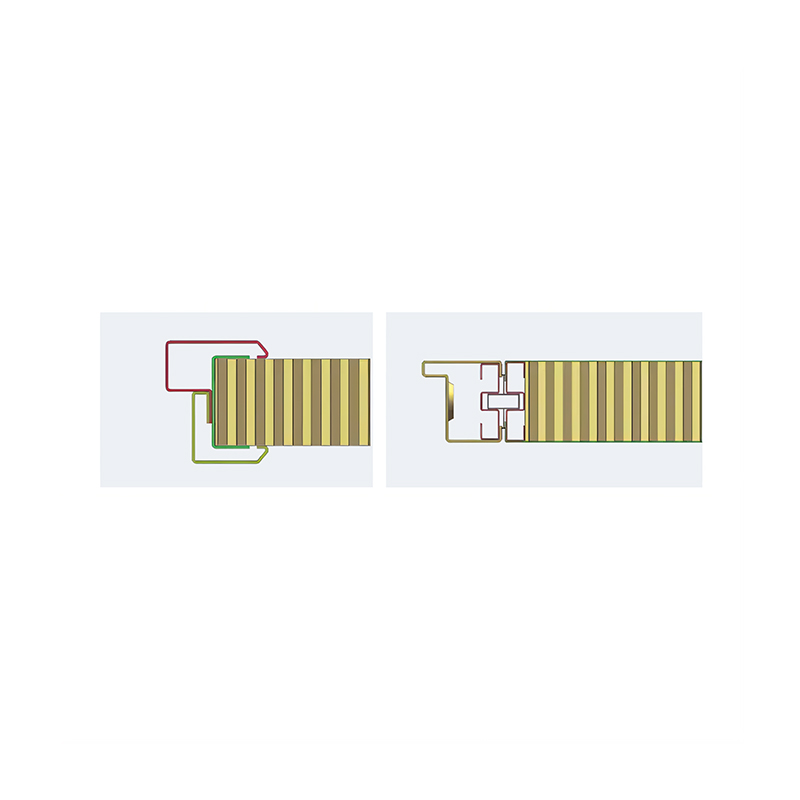 SUS304 Stainless Steel Cleanroom Door for Controlled EnvironmentsSUS304 brushed stainless steel cleanroom door with configurable core, frame profile and hardware; relevant where cleanability and corrosion resistance are prioritized over antimicrobial surface action.View Product →
High-pressure laminate is common as wall lining and door facing in pharmaceutical and electronics projects. Several manufacturers offer antimicrobial grades with silver ions and back them with ISO 22196 data. Laminate resists impact better than coated steel, but joint detailing decides the outcome: an antimicrobial panel sitting against a cracked sealant line grows microbes like any other surface.
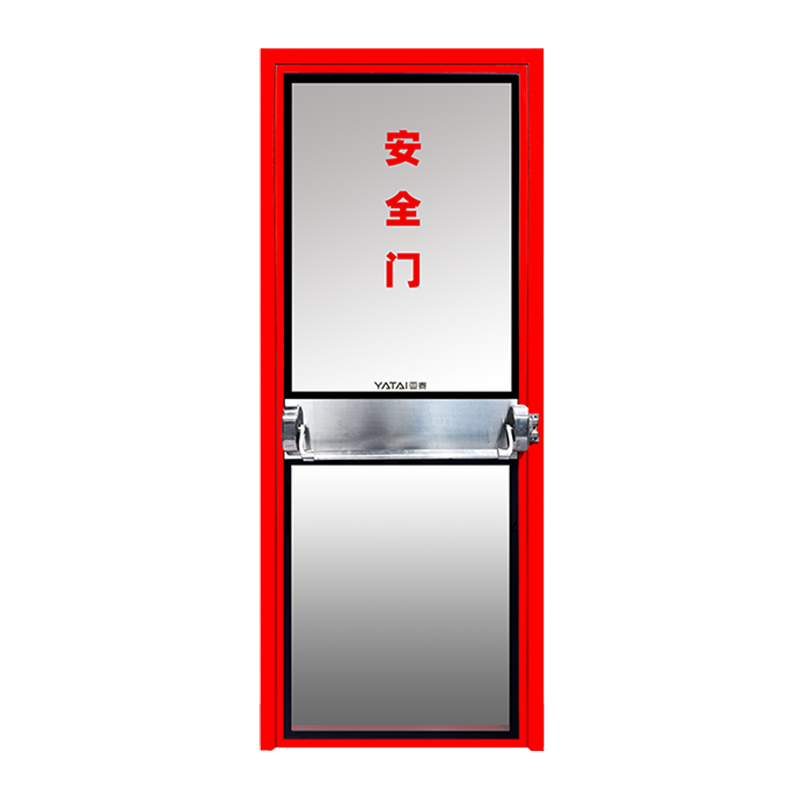 Handmade Rock Wool Sandwich Panel in Colour-Coated RangeProduct page lists Handmade Rock Wool Sandwich Panel under Colour-Coated Sandwich Panels but shows no thickness, density, facing or fire data in visible text.View Product →
Glass is inert and has no antimicrobial action of its own, yet its dense surface makes it one of the easiest materials to clean. In cleanroom windows it is rarely the weak link.
Panel choice drives cleaning frequency. A specification that lists antimicrobial finish without naming the substrate, the additive and the abrasion class leaves actual performance to whoever wins the tender.
Where Antimicrobial Surfaces Actually Matter in a Cleanroom
Antimicrobial surfaces earn their cost only where human contact is frequent and cleaning frequency cannot keep pace with contamination speed.
That is a shorter list than most suppliers imply. In a typical ISO 7 suite the value concentrates in six locations:
- Door push plates and lever handles, touched dozens of times per shift
- Door frame edges and the first 300 mm of adjacent wall panel
- Transfer hatch and pass-through frames on both sides
- Control panels on laminar flow units and air showers
- Gowning room benches, locker fronts and step-over barriers
- Coved floor-to-wall junctions in wash-down areas
2 logminimum reduction commonly requested under ISO 22196
8-12 htypical interval between manual cleanings on a busy line
45-55%relative humidity band where wet test results overstate real performance
Door assemblies carry the highest contact load of any item on that list. In hospital and laboratory projects the leaf surface, frame and gasket all have to survive the same disinfection regime, which is why medical and airtight door specifications are usually written together rather than item by item.
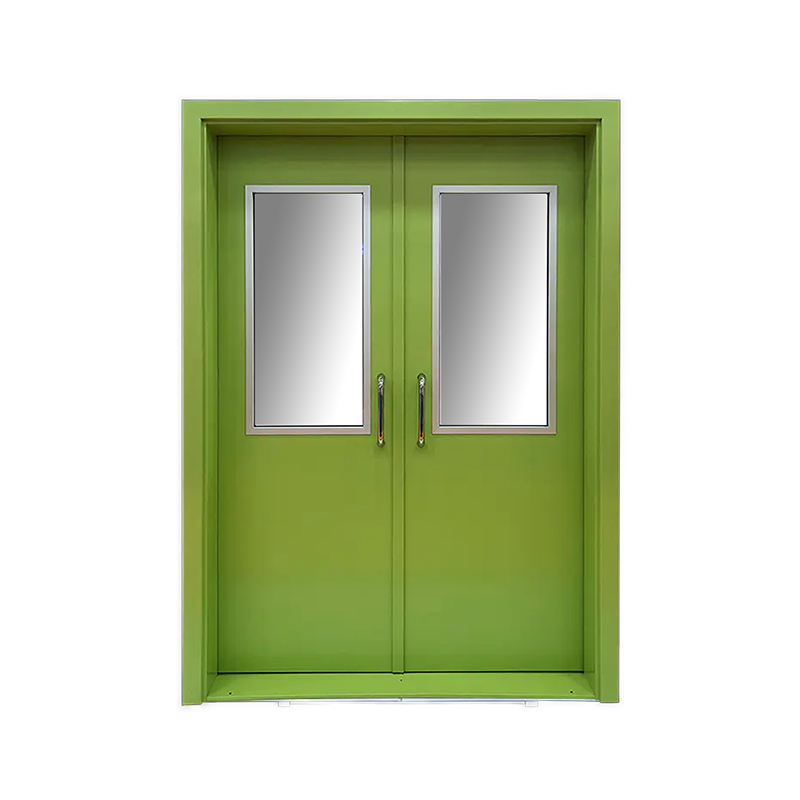 Hospital Ward Metal Doors for Clinics and Cleanroom AccessFlat-opening steel medical door with quiet operation, customizable frames and airtight structure, relevant where high-contact ward and clinic surfaces face routine disinfection.View Product →
Which Standards Prove an Antimicrobial Claim
The only antimicrobial claim worth accepting is one tied to a named standard, a named organism and a measured log reduction.
When a datasheet says antimicrobial treated and stops there, it is marketing copy. Ask for the test report, then check which organism was used, what the contact time was and whether the sample was new or pre-abraded. These are the methods that genuinely turn up in cleanroom submittals:
| Method | Applies to | Target | What to check |
| ISO 22196 / JIS Z 2801 | Plastics and non-porous surfaces | Bacteria | Log reduction after 24 h contact, usually E. coli and S. aureus |
| ISO 21702 | Plastics and non-porous surfaces | Viruses | Antiviral activity value, expressed differently from a log reduction |
| ISO 27447 | Photocatalytic materials | Bacteria | Requires defined UV exposure during the test |
| ASTM E2180 | Hydrophobic and polymer surfaces | Bacteria | Wet, high-organic conditions closer to real use |
| GB/T 21866 | Coated surfaces | Bacteria | Widely referenced on Chinese project specifications |
Read the fine print
A 3-log reduction measured on a smooth, freshly moulded coupon says very little about the same coating after 500 wipe cycles with an abrasive cleaner. Abraded-sample data is the number that matters.
A Specification Checklist for Cleanroom Projects
Five checks filter out most weak antimicrobial claims before they ever reach a purchase order.
Map the high-touch points first
Walk the suite and list every surface a gloved hand touches more than twenty times per shift. That list, not the whole room, defines the antimicrobial scope and the budget that follows it.
Name the standard and the organism
Antimicrobial on its own is not a specification. Put ISO 22196, the two organisms, the required log reduction and the contact time directly into the submittal requirement, then hold suppliers to the report.
Check the substrate and the coating system
A silver additive under a soft polyester topcoat behaves differently from the same additive under PVDF. Ask for the full build-up, not just the finish name on the front page.
Ask for abraded-sample data
Real doors get cleaned, bumped and scrubbed. Performance after wear is the only performance that still means anything eighteen months into operation.
Match the cleaning chemistry
Quaternary ammonium disinfectants can neutralise some leaching-type coatings over time. Confirm compatibility in writing before the first production campaign, not after the first failed monitoring result.
Cost reality check: antimicrobial finishes typically add a low single-digit percentage to the cost of a door or panel and well under one percent of total cleanroom fit-out. Cutting them from high-touch points rarely saves meaningful money.
Keeping Antimicrobial Surfaces Working
Antimicrobial surfaces fail in service for three predictable reasons: abrasion, the wrong cleaning chemistry and unsealed joints.
- Abrasion. A coated surface loses additive at the depth of the deepest scratch. Inspect the first 200 mm of door leaves and the push plate zone every quarter, not once at handover.
- Cleaning chemistry. Strong oxidisers and some quaternary ammonium products attack tether-bonded organosilane coatings over repeated cycles. Rotate chemistry only with written supplier confirmation.
- Unsealed joints. An antimicrobial panel next to cracked sealant or a failed gasket simply diverts attention from the real reservoir. Joint integrity outranks surface additive every time.
A practical rule: audit antimicrobial surfaces the same way airflow is audited. Both degrade quietly, and both show up in environmental monitoring data long before anyone notices the physical change.
Frequently Asked Questions
Short answers to the questions that come up most often during cleanroom door and panel specification reviews.
Do antimicrobial surfaces replace disinfection in a cleanroom?
No. They reduce the bioburden that builds up between cleanings, which buys time and margin. Cleaning and disinfection remain the primary control. An antimicrobial surface is an additional layer of defence, never a substitute for a validated cleaning procedure.
Is silver-based antimicrobial coating safe for pharmaceutical production?
Silver additives sealed under a properly cured topcoat are widely used in pharmaceutical and food facilities, and migration is typically in the parts-per-billion range. What matters in practice is that the supplier provides migration data and that the surface tolerates the specific cleaning agents used in that suite.
Does stainless steel have natural antimicrobial properties?
Bare 304 and 316 stainless have limited and slow antimicrobial effect. Copper alloys show the strongest intrinsic contact-kill behaviour, which is why copper touch surfaces appear in healthcare settings, but copper is rarely specified across a cleanroom envelope because of corrosion and cleaning-agent compatibility.
How much does an antimicrobial finish add to a cleanroom door?
Usually a low single-digit percentage on the door itself and a very small share of overall fit-out cost. The bigger risk is not the coating but the specification process: vague requirements invite substitutions that quietly remove the additive without changing the quoted price.
Previous Post
No previous article
Next Post
Modular Clean Room Manufacturers: How to Compare and Specify a Factory
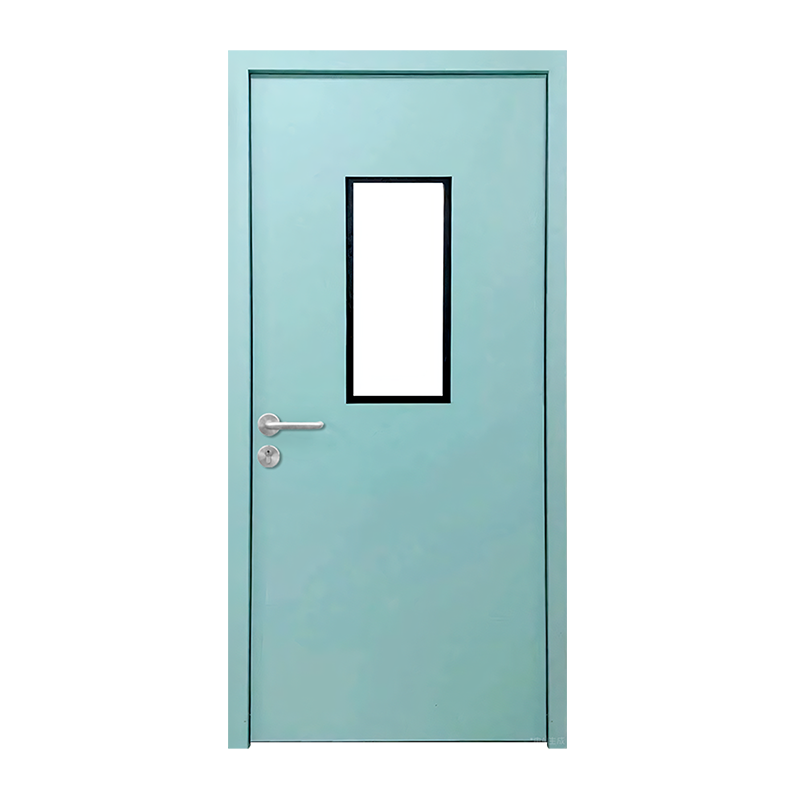

Jiangyin Yatai Purification Equipment Technology Co., Ltd. is a modern and specialized manufacturer of clean doors and windows. Cleanroom Project Factory, offer Custom Clean Doors and Windows.
QUICK LINKS
PRODUCTS
GET IN TOUCHs
-
 +86 13616113658
-
 +86(0)510-86661588 / 86668687
-
 [email protected]
-
 +86(0)510-86661588
-
 No.2, Huagang West Road, Shizhuang, Jiangyin, Jiangsu province
© Jiangyin Yatai Purification Equipment Technology Co., Ltd.
All Rights Reserved.
 Cleanroom Door Manufacturers