-
 +86 13616113658
-
 [email protected]
 English
 Español
 русский
 عربى
عربى
Cleanroom Windows: Design, Standards, and Best Practices
Content
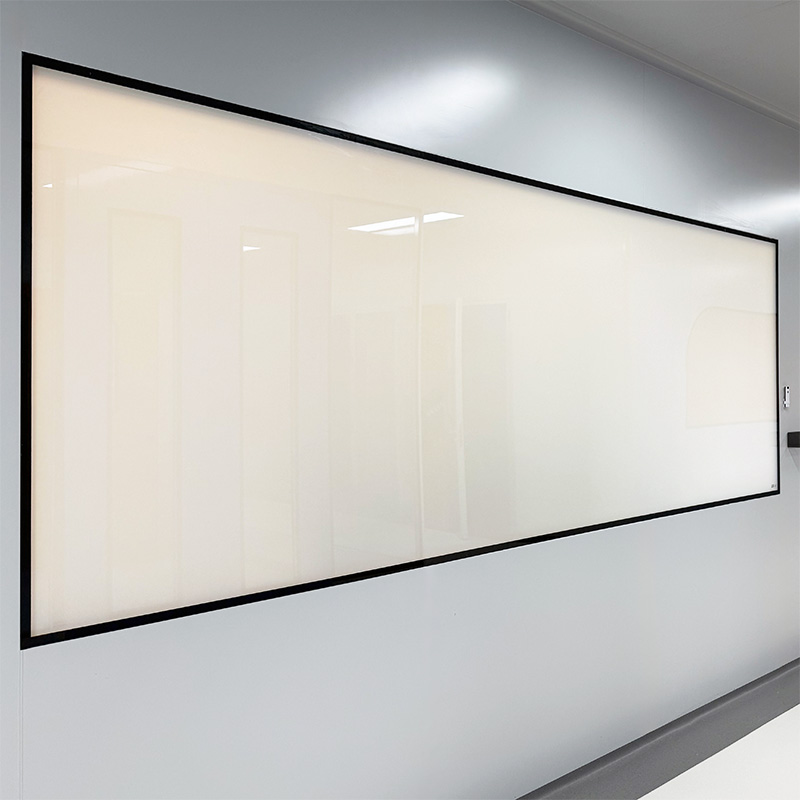
In controlled environments, the window is not merely an aperture for visibility; it is a critical engineered barrier that must maintain the integrity of the cleanroom classification (e.g., ISO 5, ISO 7) while allowing observation and light transmission. Modern cleanroom windows are designed to be flush, non-porous, and chemically resistant, ensuring they do not become sites for particle accumulation or microbial growth. The core objective is to provide a transparent seal that matches the cleanroom walls in performance, preventing contamination ingress from the less clean outer corridor or technical space.
Core Design Principles and Materials
The construction of a cleanroom window differs fundamentally from standard architectural glazing. They are typically custom-fabricated to fit into modular wall panels or hardwall systems. The material selection directly impacts the cleanroom's ability to meet ISO 14644-1 standards for airborne particulate cleanliness.
1. Glazing Material
The most common material is tempered or laminated safety glass due to its durability and resistance to scratching. In specific applications, polycarbonate is used for its impact resistance, though it is less scratch-resistant and can yellow over time with UV exposure. The glass surface must be smooth and non-shedding.
2. Frame Composition
Frames are usually constructed from:
- Powder-coated aluminum: Offers a durable, easy-to-clean finish.
- Stainless steel (316L): Preferred for pharmaceutical and biotech cleanrooms due to its resistance to harsh cleaning agents and corrosives.
- PVC or composite materials: Used in some modular systems for chemical inertness.
Data from industry installations show that stainless steel frames reduce the risk of corrosion-related particulate shedding by up to 40% compared to standard coated alternatives in aggressive cleaning environments.
Sealing Mechanisms: The Flush Mount Imperative
The method of installation is as important as the window itself. Traditional windows with protruding ledges are unacceptable. Cleanroom windows must be flush with the surrounding wall surface on the clean side. This eliminates horizontal surfaces where dust can settle.
Sealing is achieved through continuous compression gaskets (typically silicone or EPDM) or sanitary-grade sealants. For higher classifications (ISO 5 and above), the window unit is often encapsulated within the wall panel during manufacturing to create a monolithic surface. A 2021 study on cleanroom contamination sources indicated that improperly sealed windows and wall penetrations account for nearly 15% of airborne particle counts above the baseline in operational cleanrooms.
Performance Comparison: Single vs. Double Glazing
The choice between single and double glazing depends on the pressure differential and environmental control requirements. The table below outlines typical applications.
| Feature | Single Glazing | Double Glazing |
|---|---|---|
| Pressure Tolerance | Standard (up to 50 Pa) | High (up to 200+ Pa) |
| Thermal Insulation | Low | High |
| Fogging Risk | Possible on cold side | Minimal (sealed unit) |
| Typical Use | ISO 7/8, internal corridors | ISO 5/6, external walls |
Double-glazed units are specifically designed to withstand the constant pressure differentials that prevent contamination ingress, making them mandatory for high-grade cleanrooms with strict airlock cascades.
Installation and Qualification Protocols
Proper installation is validated through specific tests during cleanroom qualification. The window assembly must not compromise the room's airtightness or cleanability.
Key Validation Tests:
- Integrity (Smoke) Test: To visually confirm that airflow patterns are not disrupted by the window frame, ensuring no turbulent eddies trap particles.
- Pressure Decay Test: To verify that the window seals do not contribute to air leakage beyond the design specification (typically < 0.5% of the room volume per hour).
- Surface Particle Count: Swab tests are conducted on the frame and glass interface to ensure they meet the required biological and particulate cleanliness levels.
For GMP (Good Manufacturing Practice) facilities, documentation of these installation protocols is a regulatory requirement to pass health authority inspections.
Specialized Window Types
Beyond standard vision panels, specialized windows cater to specific operational needs:
- Radio Frequency (RF) Shielded Windows: Incorporate a fine mesh within the glazing to block electromagnetic interference, critical for cleanrooms housing sensitive electronics or undergoing EMC testing.
- Pass-Through Hatches with Windows: Integrated units that allow material transfer while incorporating a window for observation.
- Explosion-Proof Windows: Used in hazardous environments (like paint rooms or labs with volatile solvents), constructed with reinforced frames and laminated glass to contain potential blasts.
Selecting the right type depends on a risk assessment of the processes inside the cleanroom.
Previous Post
Steel Cleanroom Doors: A Complete Guide to Selection & Compliance
Next Post
Stainless Steel Cleanroom Door: Design, Standards & Performance Guide

Jiangyin Yatai Purification Equipment Technology Co., Ltd. is a modern and specialized manufacturer of clean doors and windows. Cleanroom Project Factory, offer Custom Clean Doors and Windows.
QUICK LINKS
PRODUCTS
GET IN TOUCHs
-
 +86 13616113658
-
 +86(0)510-86661588 / 86668687
-
 [email protected]
-
 +86(0)510-86661588
-
 No.2, Huagang West Road, Shizhuang, Jiangyin, Jiangsu province
© Jiangyin Yatai Purification Equipment Technology Co., Ltd.
All Rights Reserved.
 Cleanroom Door Manufacturers