-
 +86 13616113658
-
 [email protected]
 English
 Español
 русский
 عربى
عربى
Home / Media / Industry News / Cleanroom Fire Rated Doors: Standards, Ratings, Materials & Selection Guide
Cleanroom Fire Rated Doors: Standards, Ratings, Materials & Selection Guide
Content
- 1 The Real Problem with Cleanroom Fire Rated Doors
- 2 Fire Resistance Ratings: Integrity, Insulation, and Radiation
- 3 Why Smoke Containment Drives the Design
- 4 Materials and Construction That Define Performance
- 5 How to Select the Right Fire Rated Cleanroom Door
- 6 Installation, Inspection, and Maintenance
The Real Problem with Cleanroom Fire Rated Doors
A pharmaceutical production corridor separates a sterile filling suite from a staging area. The door at the end of that corridor holds back particles and pressure differentials on every normal working day. When a fire alarm sounds, that same door must become a compartment barrier: stopping flames, limiting heat transfer, and preventing smoke from moving through gaps or worn perimeter seals into escape routes.
This dual duty makes the cleanroom fire rated door a dedicated procurement category, not a standard fire door with a cleanroom label. Fire safety and contamination control requirements can pull in different directions, and the consequences of getting the balance wrong go beyond regulatory non-compliance. A door that resists flame for 60 minutes but lets smoke through its unsealed frame will fail precisely when it matters most.
So the starting point for any purchase decision is straightforward: establish the fire resistance your facility needs, verify that the door assembly maintains cleanroom airtightness during normal operation, and confirm both in the supplier's test documentation. A door assembly is certified as a complete system. The frame, seals, glazing, hinges, and closer all contribute to the result, and changing any one component can void the built evidence.
Fire Resistance Ratings: Integrity, Insulation, and Radiation
Fire resistance ratings describe how long a door assembly can maintain its separating function under standard furnace test conditions. Test standards such as EN 1634-1, BS 476-22, and the Chinese standard GB 12955 define the acceptance criteria, and the two criteria that matter most in cleanroom projects are integrity and insulation.
Integrity (E) means the door prevents flames and hot gases from passing through during the rated period. Insulation (I) means the temperature on the unexposed face stays below a defined limit, typically 140°C above ambient. A door rated EI60 must deliver both for 60 minutes. Some specifications also require radiation shielding (W), which limits heat flux reaching people evacuating past the door.
| Classification | Integrity | Insulation | Typical cleanroom application |
|---|---|---|---|
| E60 | 60 minutes | Not required | Storage rooms and low-occupancy zones |
| EI60 | 60 minutes | 60 minutes | Corridors, escape routes, small production suites |
| EI90 | 90 minutes | 90 minutes | Pharmaceutical blending and high-risk process areas |
| EI120 | 120 minutes | 120 minutes | Large production halls, plant rooms, compartment walls |
The required rating is determined by the building design and applicable local fire code, not by the door supplier. The supplier's certified test report, however, determines whether the product actually delivers that rating. When specifying a fire rated cleanroom door, insist on the test certificate and match the complete assembly: frame profile, seal kit, vision panel, hardware, and closer, because the test result applies to that exact configuration. Guidance on cleanroom fire door standards, features, and selection criteria can help you translate the code requirement into a concrete product specification.
Why Smoke Containment Drives the Design
Most fatalities in building fires are caused by smoke inhalation rather than direct flame contact. In a cleanroom facility, that risk is amplified because smoke can travel through ventilation ducts, negative pressure zones, and service penetrations long before flames arrive. The fire rated cleanroom door therefore has to be smoke-tight from the first minute, not just after the fire has fully developed.
Two complementary sealing mechanisms make this possible:
- Intumescent strips embedded in the door edges expand dramatically when heated, sealing the gap between the door leaf and frame against flames and hot gases.
- Peripheral smoke seals made of EPDM or silicone block cold smoke during the early stages of a fire, before the intumescent material activates. These same seals contribute to the daily airtightness of the door.
- Drop seals or automatic bottom seals close the under-door gap and are particularly important in cleanroom corridors where pressure differentials would otherwise pull smoke through.
The engineering challenge is that the smoke seal must remain effective during normal operation and continue working when the intumescent strip expands and deforms the sealing zone. This is why a fire rated cleanroom door cannot be designed as an afterthought. The practical behavior of these components is covered in more detail in our explainer on how fire-resistant cleanroom doors prevent smoke spread.
Materials and Construction That Define Performance
Once the rating is fixed, the real question becomes: how is the door built? Material choices determine fire endurance, hygiene behavior, dimensional stability, and long-term maintenance costs.
Door leaf construction
Fire rated cleanroom door leaves typically use cold-rolled steel or stainless steel face sheets over an insulating core. Core materials such as rock wool or magnesium oxide provide the thermal insulation that keeps the unexposed face below the temperature limit. Core density and face sheet thickness are the two parameters that most directly influence the fire endurance period.
Frames, hinges, and closers
A fire door is only as strong as its weakest hardware component. Steel or stainless frames must be fixed in a way that survives structural movement during a fire, hinges must carry the door leaf weight without sagging, and door closers must be powerful and reliable enough to guarantee full latching every time. Panic hardware and emergency exit devices, where fitted, must also carry fire-rated certification.
Vision panels and glazing
If the door needs a window for personnel awareness or corridor visibility, the glazing must be part of the certified assembly. Ceramic glass or fire-resistant wired glass is fixed in a steel bead system that stops the panel from falling out under thermal stress. Do not assume that adding any standard glass vision panel to a fire door preserves its rating.
Surface finish and cleanability
Hospital and pharmaceutical projects add one more requirement: the surface must tolerate repeated disinfection without degrading. Powder-coated steel, stainless steel, and cleanroom-compatible edge profiles reduce the risk of coating breakdown or corrosion around seals and hardware. We manufacture fire-rated heat-resistant cleanroom doors with these material combinations in mind, available with steel or stainless facings and certified fire-resistant cores.
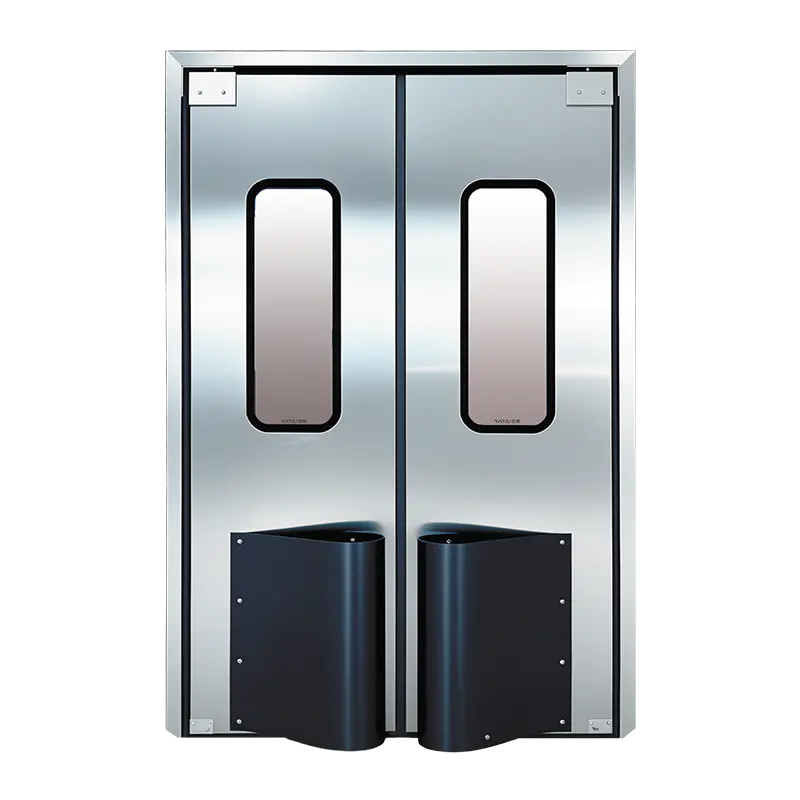
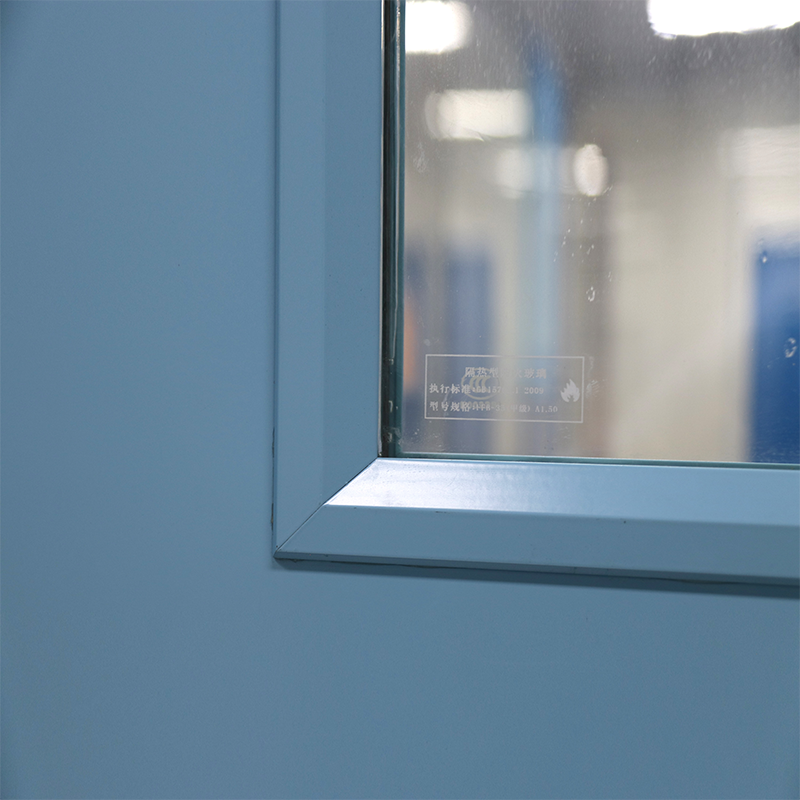 Fire-Rated Heat Resistant Cleanroom Doors Suppliers, Custom Factory - Jiangyin YAs China Custom Fire-Rated Heat Resistant Cleanroom Doors Suppliers and Fire-Rated Heat Resistant Cleanroom Doors Factory, Yatai Custom F...View Product →
How to Select the Right Fire Rated Cleanroom Door
The correct choice is the assembly that matches the facility's fire risk classification, preserves cleanroom performance, and arrives with complete, verifiable test evidence. Everything else is secondary.
- Determine the fire endurance required by the building code and fire compartment layout.
- Verify that the supplier's test report covers the exact frame, seal kit, glazing, hinges, and closer configuration you intend to install.
- Confirm the door meets the facility's airtightness requirement, including pressure differential, air leakage class, and cleanroom integration.
- Check the operating frequency. If the door is automated, specify a fire-rated automatic operator and a closer that works without compromising the sealing system.
- Match the surface material and finish to the hygiene regime, whether pharmaceutical, biomedical, food processing, or hospital.
Take the time to read the test report carefully. Many suppliers offer doors with nominal fire ratings that have only been tested in one particular configuration. If your project requires a different frame type, a vision panel, or special hardware, the test evidence must match that configuration, otherwise the certificate has little practical value. For projects where fire compartment walls also need glazed openings, our range of fire-resistant doors and windows provides a coordinated solution for both doors and windows.
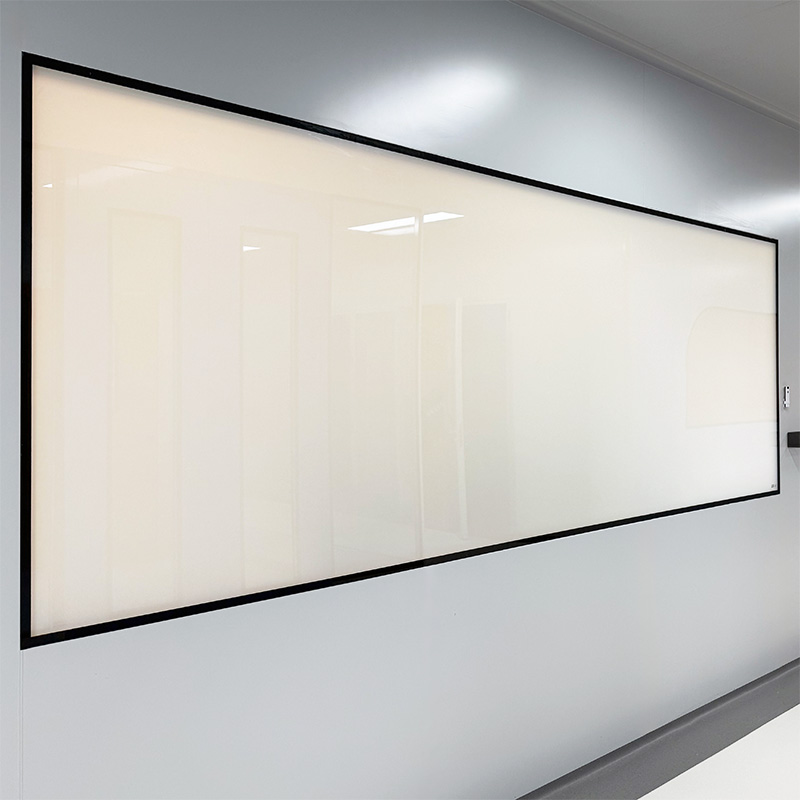
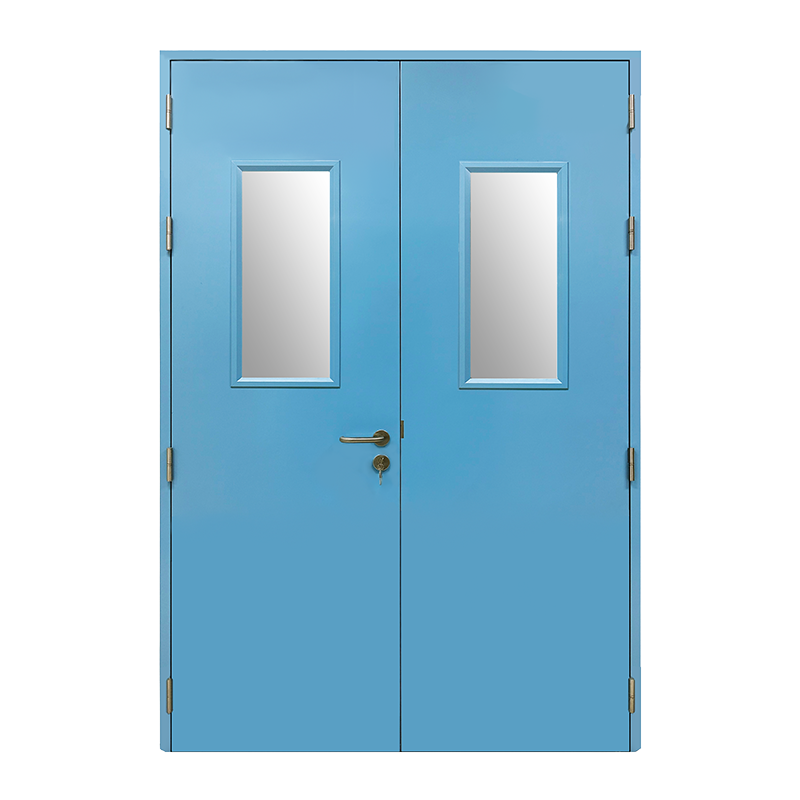 Cleanroom Fire-resistant Doors Manufacturers, Fire Rated Door FactoryYatai - OEM/ODM Cleanroom Fire Rated Door Manufacturers and Cleanroom Fire Resistant Doors Factory in China, Custom Fire Rated Door for C...View Product →
Installation, Inspection, and Maintenance
A certified fire rated cleanroom door performs correctly when it is installed exactly as tested. Small installation errors, such as oversized perimeter gaps, misaligned frames, or removed smoke seals, can turn a compliant assembly into a high-risk failure. Engage a contractor that understands both fire compartmentation and cleanroom sealing, and inspect the gap dimensions and seal continuity before the room is commissioned.
After installation, the door requires a different inspection rhythm than an ordinary cleanroom door, because both the fire resistance and the airtightness must be maintained simultaneously. Key checks include:
- Perimeter smoke seals and intumescent strips for damage, wear, or paint contamination.
- Drop seals for correct operation and full floor contact.
- Hinges and closers for smooth closing and positive latching.
- Vision panel glazing and beads for cracks or loose fixings.
- Evidence of any unauthorized modifications, such as added letter plates, extra locks, or cutouts.
When fire-resistant doors are modified or repaired, only certified components should be used. A maintenance procedure covering these points is described in our guide on how to inspect and maintain fire-resistant doors. For service openings and inspection hatches in fire walls, certified closures are equally critical; our fire-rated access doors are designed for exactly that purpose.
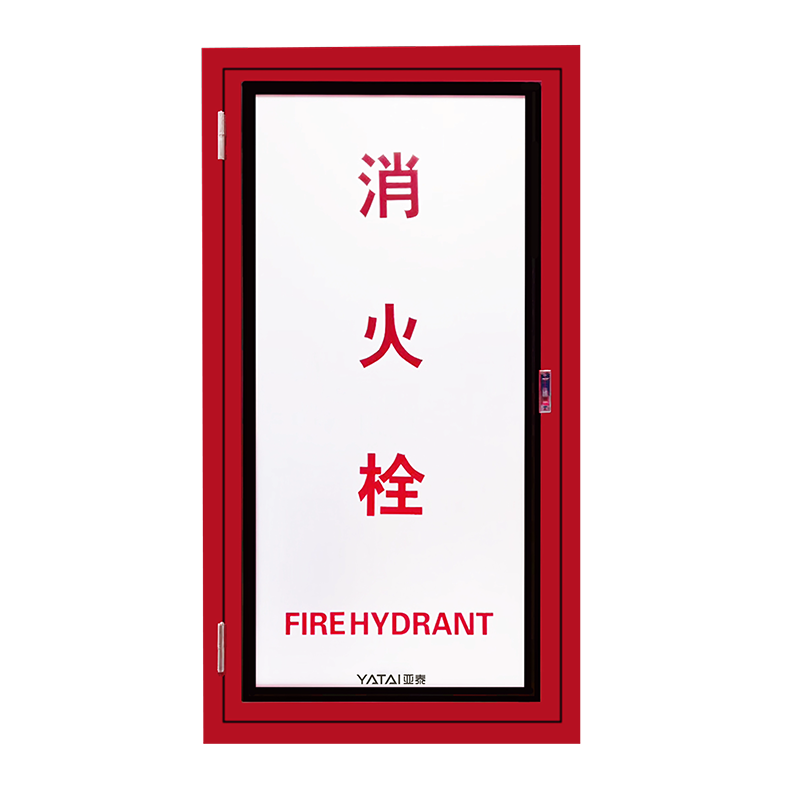 Fire Hydrant Access Door Manufacturers, Fire Hose Cabinet Doors SuppliersAs Fire Hydrant Access Door Manufacturers, Fire Hose Cabinet Doors Suppliers and OEM/ODM Factory in China, Yatai offer Custom Recessed F...View Product →
Final advice: treat the fire rated cleanroom door as a safety system, not a commodity. Specify the complete assembly, demand the matching test report, install it correctly, and inspect it regularly. Each step protects not just regulatory compliance, but the occupants and procedures that rely on the door when a fire occurs.
Previous Post
Cleanroom Windows: Types, Selection Guide, and Installation Best Practices
Next Post
Cleanroom Automatic Sliding Doors Guide | YATAI
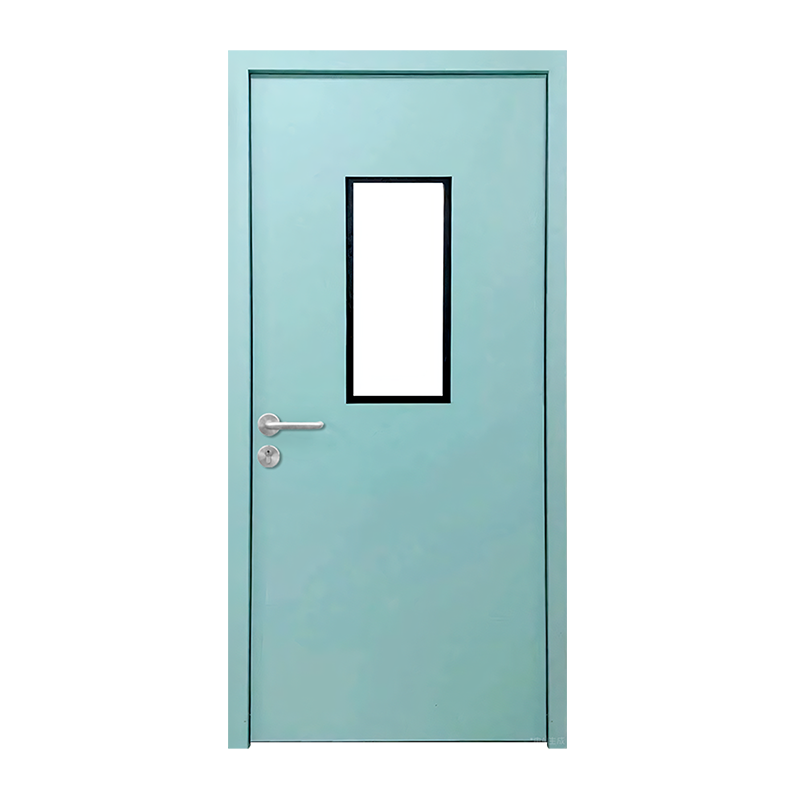

Jiangyin Yatai Purification Equipment Technology Co., Ltd. is a modern and specialized manufacturer of clean doors and windows. Cleanroom Project Factory, offer Custom Clean Doors and Windows.
QUICK LINKS
PRODUCTS
GET IN TOUCHs
-
 +86 13616113658
-
 +86(0)510-86661588 / 86668687
-
 [email protected]
-
 +86(0)510-86661588
-
 No.2, Huagang West Road, Shizhuang, Jiangyin, Jiangsu province
© Jiangyin Yatai Purification Equipment Technology Co., Ltd.
All Rights Reserved.
 Cleanroom Door Manufacturers