-
 +86 13616113658
-
 [email protected]
 English
 Español
 русский
 عربى
عربى
Single Glass Cleanroom Windows: Key Specs, Frames & Selection Guide
Content
A facility engineer planning a ISO Class 8 pharmaceutical packaging suite must install twenty observation windows on a tight budget. Single glass cleanroom windows are usually the first option evaluated in that scenario. They are a proven, economical choice for controlled environments where the primary requirement is visual access without introducing particle traps or compromising the room’s pressure cascade. For many projects rated ISO Class 7 or 8 according to ISO 14644‑1, a properly specified single‑pane window delivers all the necessary performance at a fraction of the weight and cost of double‑pane units.
What Are Single Glass Cleanroom Windows and When Should You Choose Them?
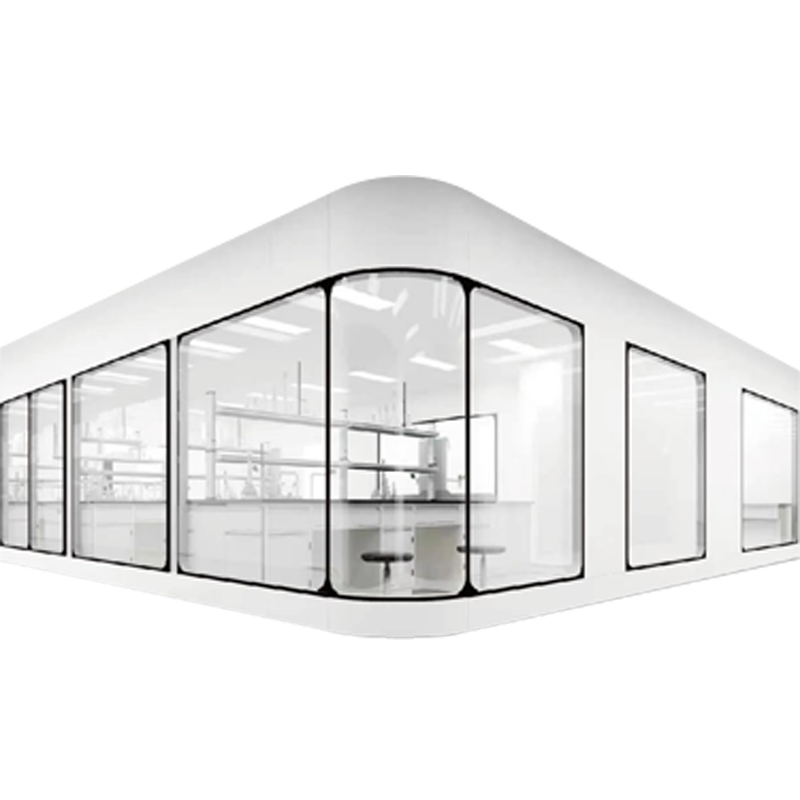
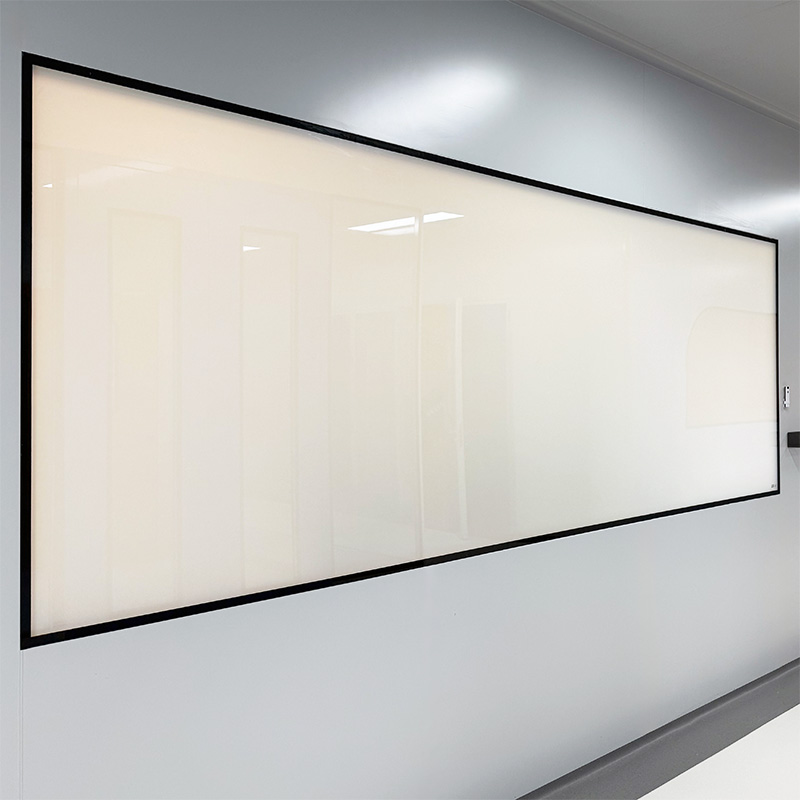
Single glass cleanroom windows use one panel of flat or tempered glass mounted in an aluminum, stainless‑steel, or coated‑steel frame. The window assembly is engineered to seal flush or nearly flush with the cleanroom wall panel, eliminating horizontal ledges that collect dust. Unlike double‑glazed units, these windows do not incorporate an insulating air gap; they rely on the wall’s sandwich panel construction and the HVAC system for thermal and acoustic management.
They are the right choice for interior partition walls, dry production zones, and retrofits where budget and speed matter. Typical applications include:
- ISO Class 7 and 8 cleanrooms (packaging, secondary assembly, corridors).
- Facilities with stable room‑side temperatures and low condensation risk.
- Retrofit projects where the lighter weight simplifies installation.
- Observation ports in machine enclosures or pass‑through chamber walls.
If your cleanroom requires tight humidity control below 30 % RH or faces a large temperature differential across the wall, a double‑pane window will likely be the better investment. For everyone else, a single‑pane window offers a fast, code‑compliant path to visibility.
Key Specifications: Frame Types, Glass, and Sealing
Buyers often focus on glass and overlook the frame, but the frame‑to‑wall interface is what determines long‑term cleanroom integrity. A good single‑glass window combines a dust‑shedding frame profile, certified flatness, and a high‑durability gasket system. Before you specify, decide on the frame style and the glass/seal combination. For a broader look at how these components fit into cleanroom design, refer to our cleanroom window design standards summary.
Frame Styles: 45° Bevel vs. Flush
Two frame profiles dominate the market.
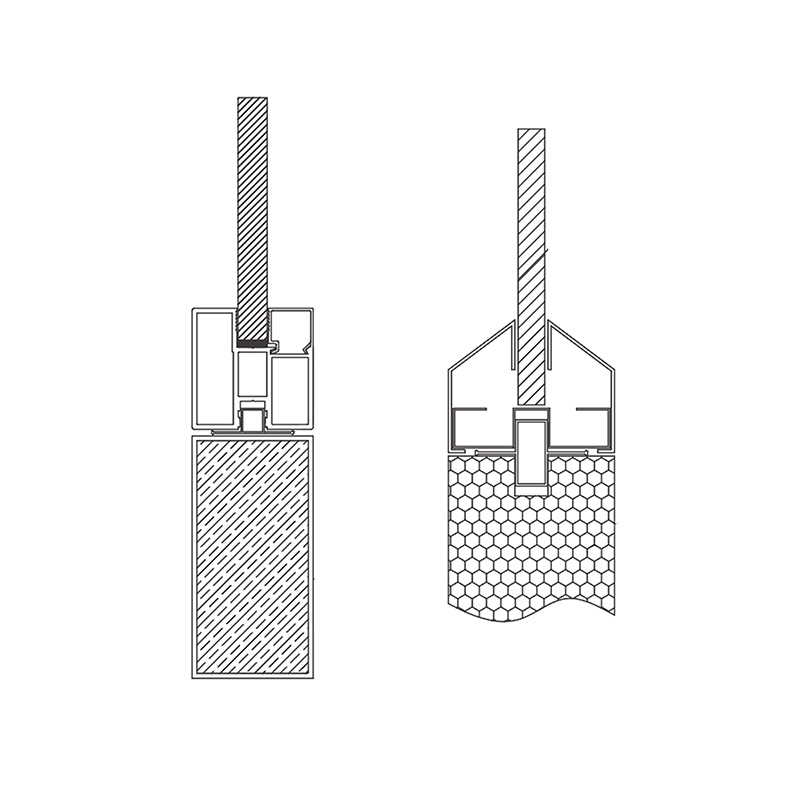
The 45° bevel (sloped) frame is the classic cleanroom workhorse. The inclined surface discourages particle accumulation and creates a continuous slope from the glass to the wall. Because dust and overspray cannot rest on a horizontal surface, this design is preferred for pharmaceutical and food‑processing areas where operators clean walls with sanitizing agents. It is also the most cost‑effective configuration for large viewing panels.
A flush‑frame window sits exactly level with the wall panel, delivering a flush, monolithic appearance. It works well in high‑traffic corridors and electronics cleanrooms that value uninterrupted surfaces. The trade‑off is a slightly more precise installation process and a narrower edge seal that must be carefully tooled to avoid micro‑crevices. Both frame styles are widely available in the same aluminum alloys; the correct choice depends on your cleaning protocol and aesthetic preference. You can view all cleanroom window types to compare the frame geometries we offer.
 Cleanroom Windows Manufacturers, Clean Room Windows FactoryJiangyin Yatai Purification Equipment Technology Co., Ltd. is OEM/ODM Cleanroom Windows Manufacturer and Clean Room Windows Factory in Ch...View Product →
Glass and Gasket Selection
Annealed (float) glass is standard for interior partitions, but tempered glass is strongly recommended for any window located in a door, within 18 inches of the floor, or in an area subject to impact. The minimum thickness is typically 5 mm; 6 mm and 8 mm panels are common for larger openings. Critical to window performance is the peripheral seal. A continuous silicone or EPDM gasket must maintain an airtight barrier that holds the room’s pressure differential—often 5 to 15 Pa—without cracking over thousands of washdown cycles. The sealing principles described in our article on how cleanroom windows prevent particle contamination apply equally to single‑pane designs: the gasket groove must be deep enough to stay locked under negative pressure, and the glass edge must be free of chips that can propagate cracks.
Single Glass vs. Double‑Pane Windows: A Quick Comparison
The decision between single and double glazing is not a matter of good versus better; it is a budget‑versus‑thermal‑performance trade‑off. Use the following points to guide your discussion with the design team.
- Cost and weight. A single‑glass panel can cut the material cost of the glazed area by 30–50 % compared with a hollow double‑layer unit. The lighter assembly also reduces shipping expense and allows faster on‑site handling.
- Light transmission. One pane of low‑iron glass admits up to 90 % visible light; a double‑pane unit with two panes and two coatings typically loses 10–15 % more light.
- Thermal insulation. Double‑pane windows add meaningful U‑value reduction and prevent surface condensation when the room is cold and the surrounding corridor is warm and humid. In a fully conditioned cleanroom suite, however, the wall’s insulated panel and the HVAC system already manage most of the thermal load.
- Acoustic performance. Single glass provides modest sound attenuation. If the neighboring area has machinery above 75 dB(A), a double‑glazed unit or a laminated glass insert is the safer choice.
- Maintenance commonality. Both types use the same peripheral gasket technology, so replacement seals are easy to stock.
After comparing the trade‑offs, many projects land on single glass for interior walls and double‑pane only for exterior‑facing or freezer‑wall applications. Whichever direction you take, we encourage you to explore our single glass cleanroom windows for tested, ready‑to‑install configurations.
 Single Glass Cleanroom Windows Suppliers, Custom Factory - Jiangyin Yatai PurifiAs China Custom Single Glass Cleanroom Windows Suppliers and Single Glass Cleanroom Windows Factory, Yatai Custom Single Glass Cleanroom ...View Product →
Installation and Maintenance Must-Knows
Even the best manufactured window will fail if it is poorly sealed to the wall. The installation sequence should always begin with a dry fit: the frame is clamped into the wall opening, aligned, and then bedded in a continuous bead of neutral‑cure silicone sealant. Trim beads or snap‑on covers hide the fasteners and provide a secondary pressure lip. After the sealant has fully cured, a differential‑pressure test across the installed window verifies air‑tightness—any leak will show as a hiss or a visible bubble under soap‑solution testing.
Day‑to‑day maintenance keeps the window compliant. Use only non‑abrasive, cleanroom‑approved cleaners and a lint‑free wipe; ammonia‑based glass cleaners can degrade silicone gaskets over time. For a step‑by‑step routine that protects both the glass and the frame coating, follow the procedures in our article on single‑pane window maintenance tips. A quick monthly check of gasket compression and silicone integrity is all that most facilities need to keep single‑glass windows performing for a decade or more.
Previous Post
Cleanroom Automatic Sliding Doors Guide | YATAI
Next Post
Cleanroom Door Guide: Materials, Sealing, and Regulatory Compliance

Jiangyin Yatai Purification Equipment Technology Co., Ltd. is a modern and specialized manufacturer of clean doors and windows. Cleanroom Project Factory, offer Custom Clean Doors and Windows.
QUICK LINKS
PRODUCTS
GET IN TOUCHs
-
 +86 13616113658
-
 +86(0)510-86661588 / 86668687
-
 [email protected]
-
 +86(0)510-86661588
-
 No.2, Huagang West Road, Shizhuang, Jiangyin, Jiangsu province
© Jiangyin Yatai Purification Equipment Technology Co., Ltd.
All Rights Reserved.
 Cleanroom Door Manufacturers